Environment
Biodiversity
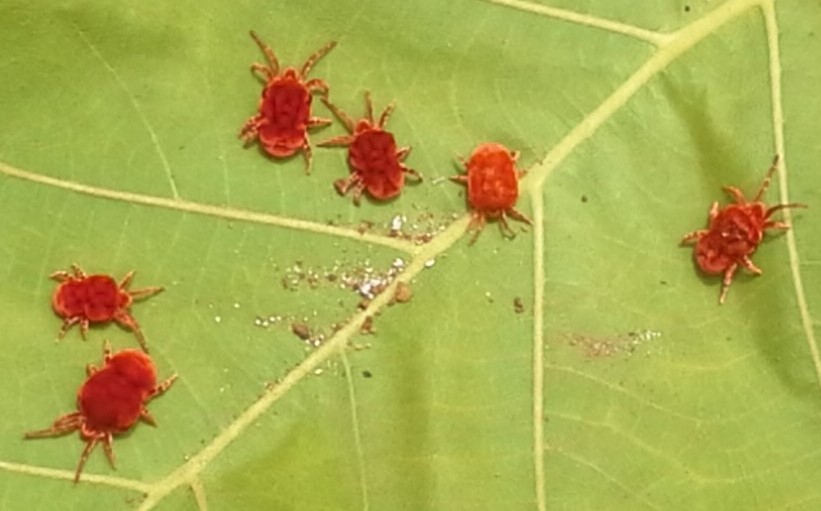
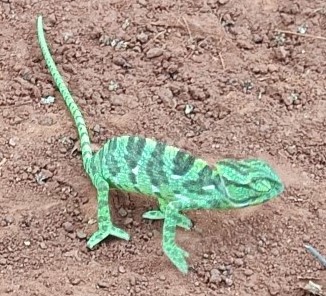
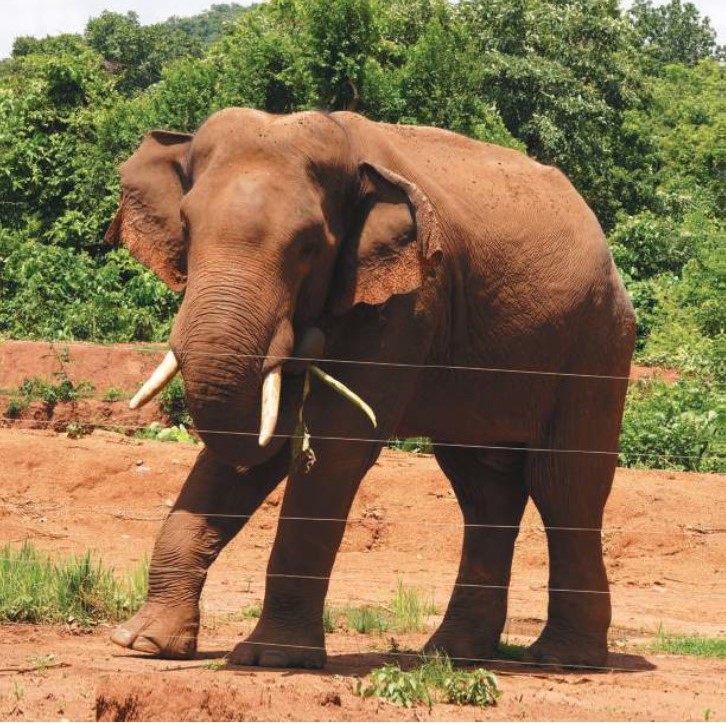
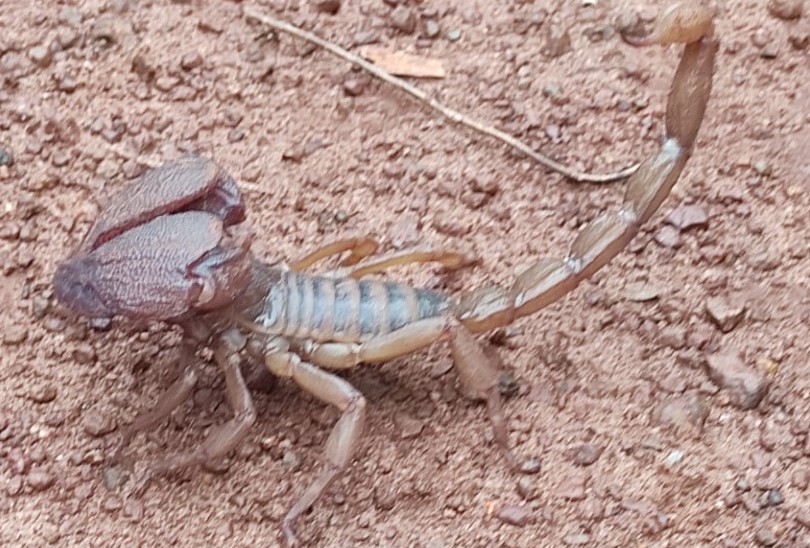
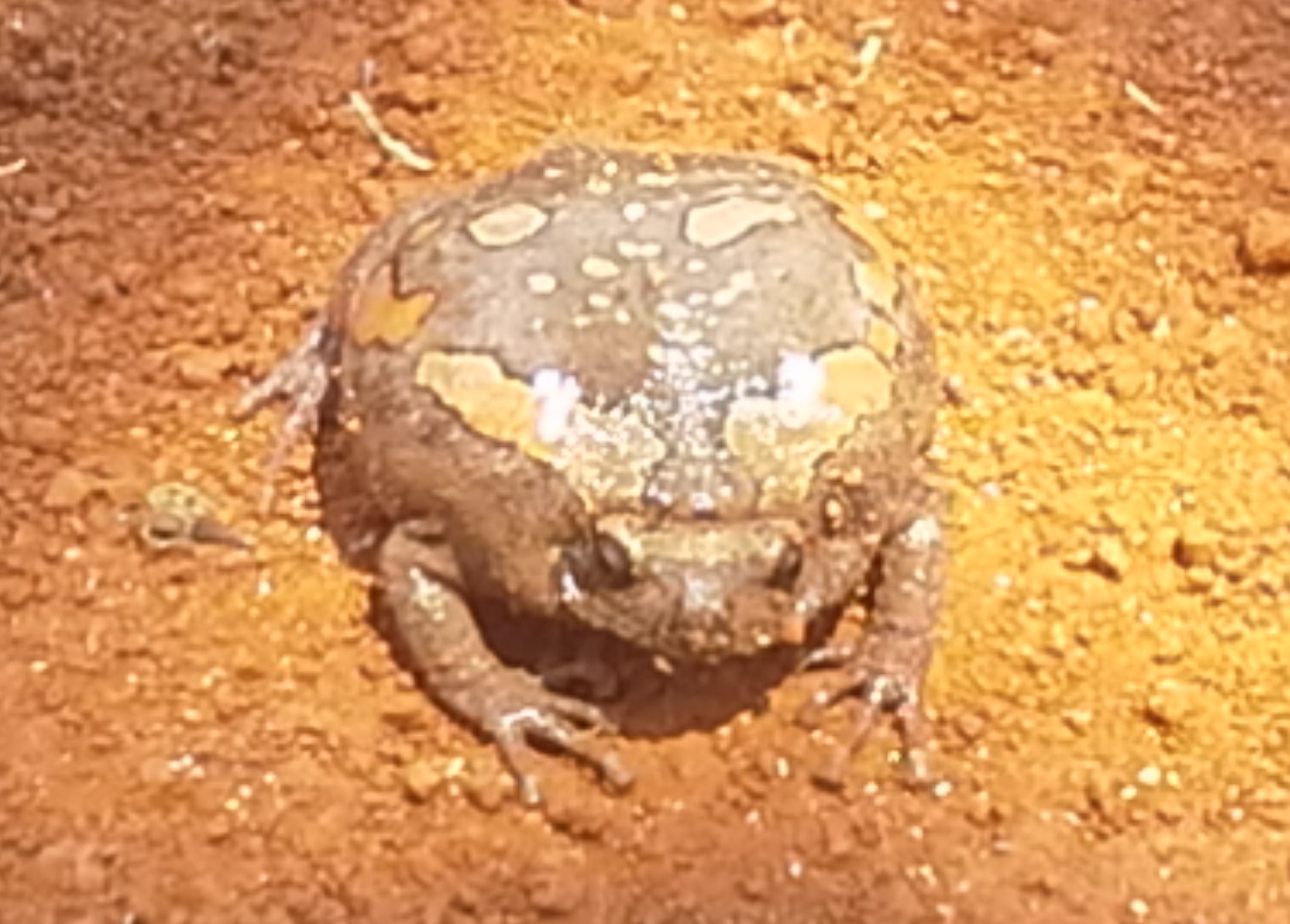
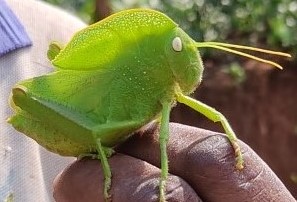
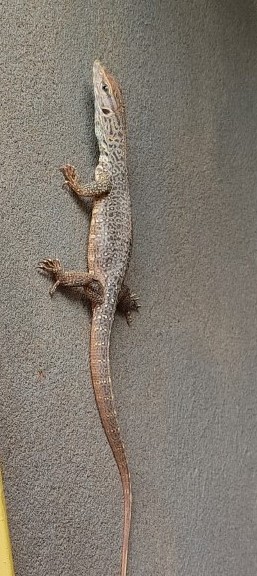
We are lucky to be a part of this rich environment that is home to diverse varieties of members from the plant and animal kingdoms along with fungi and other organisms. The richness of the flora and fauna of the region is amply demonstrated by the subset that can be discovered within the limited boundaries of Teerthome. We still continue to discover and wonder in awe at newly spotted members of the family and get excited to understand their language and life. We are humbled just watching and observing, learning their ways of living and thriving, as we keep wondering how intelligent they all are compared to humans.
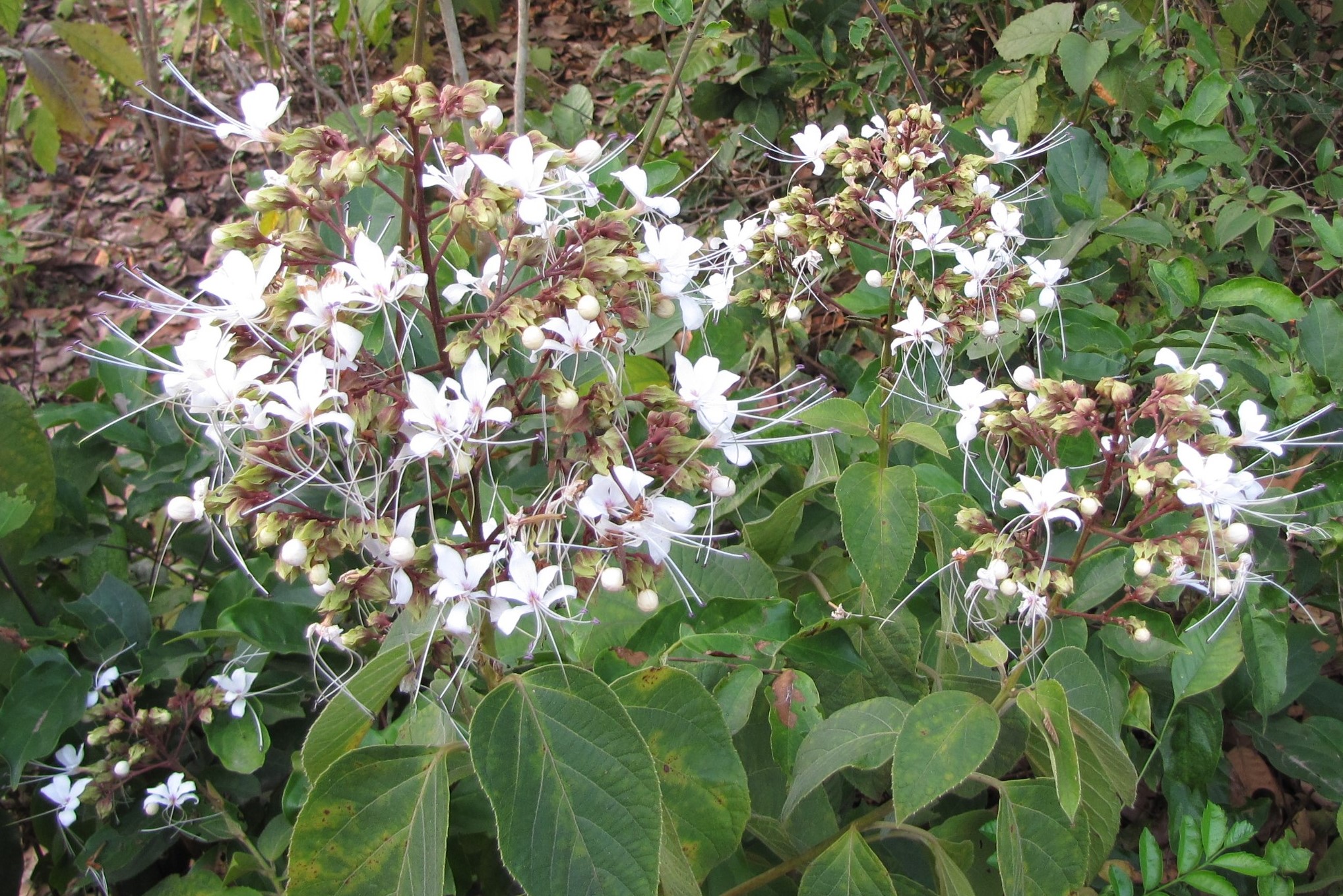
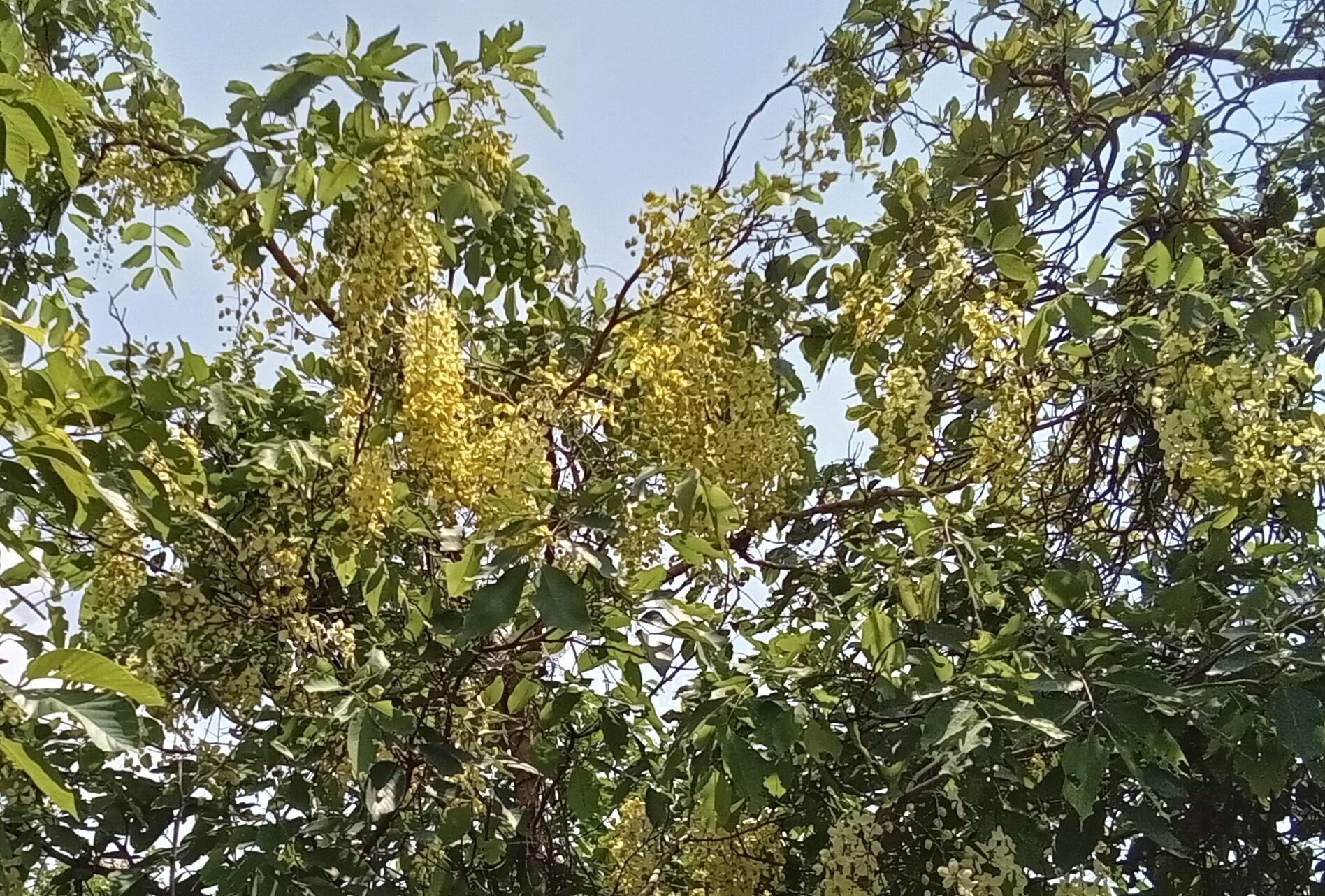
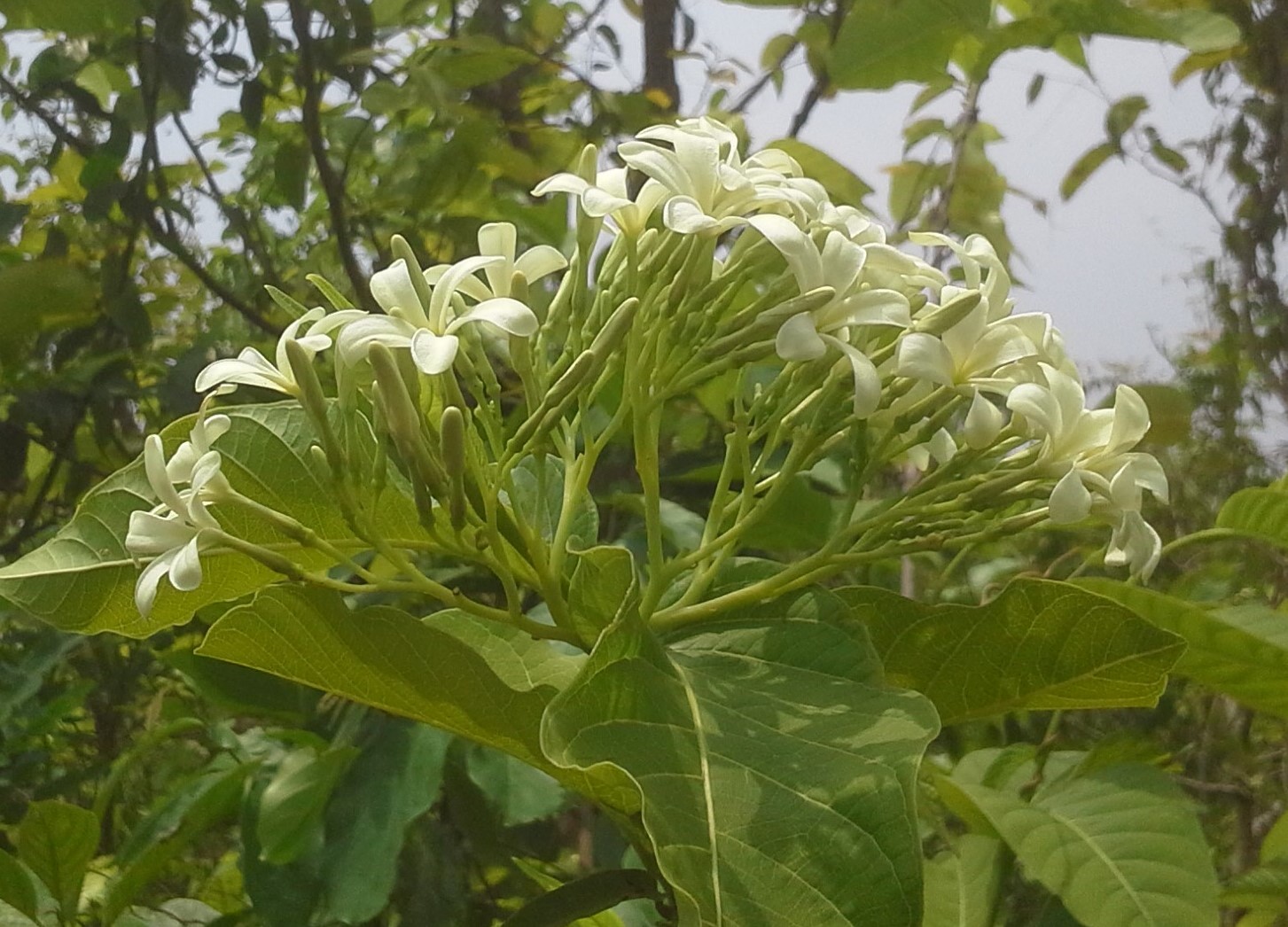
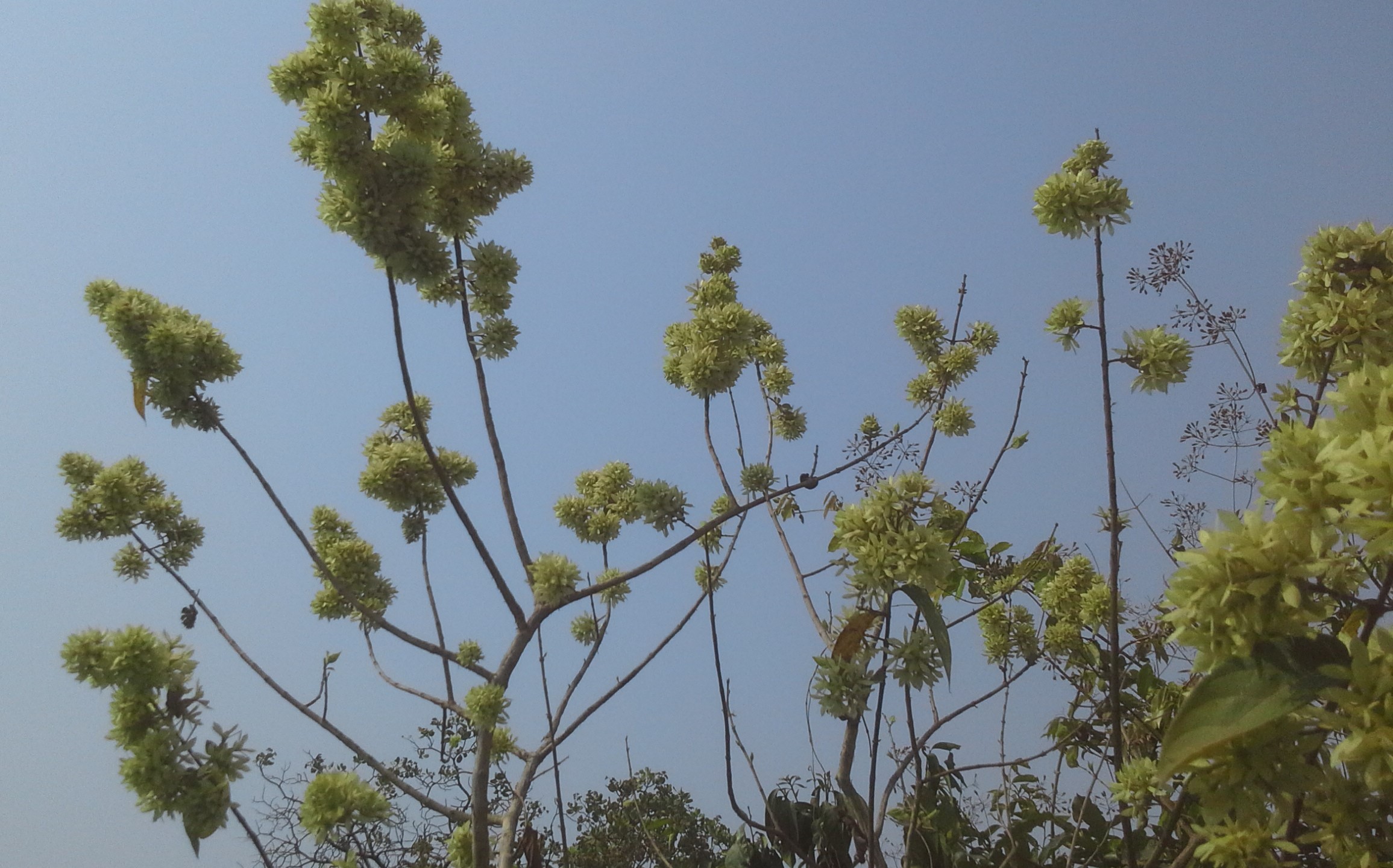
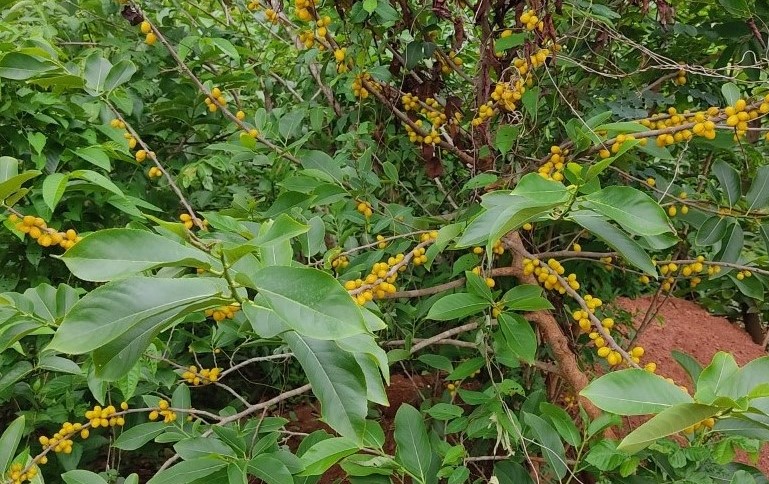
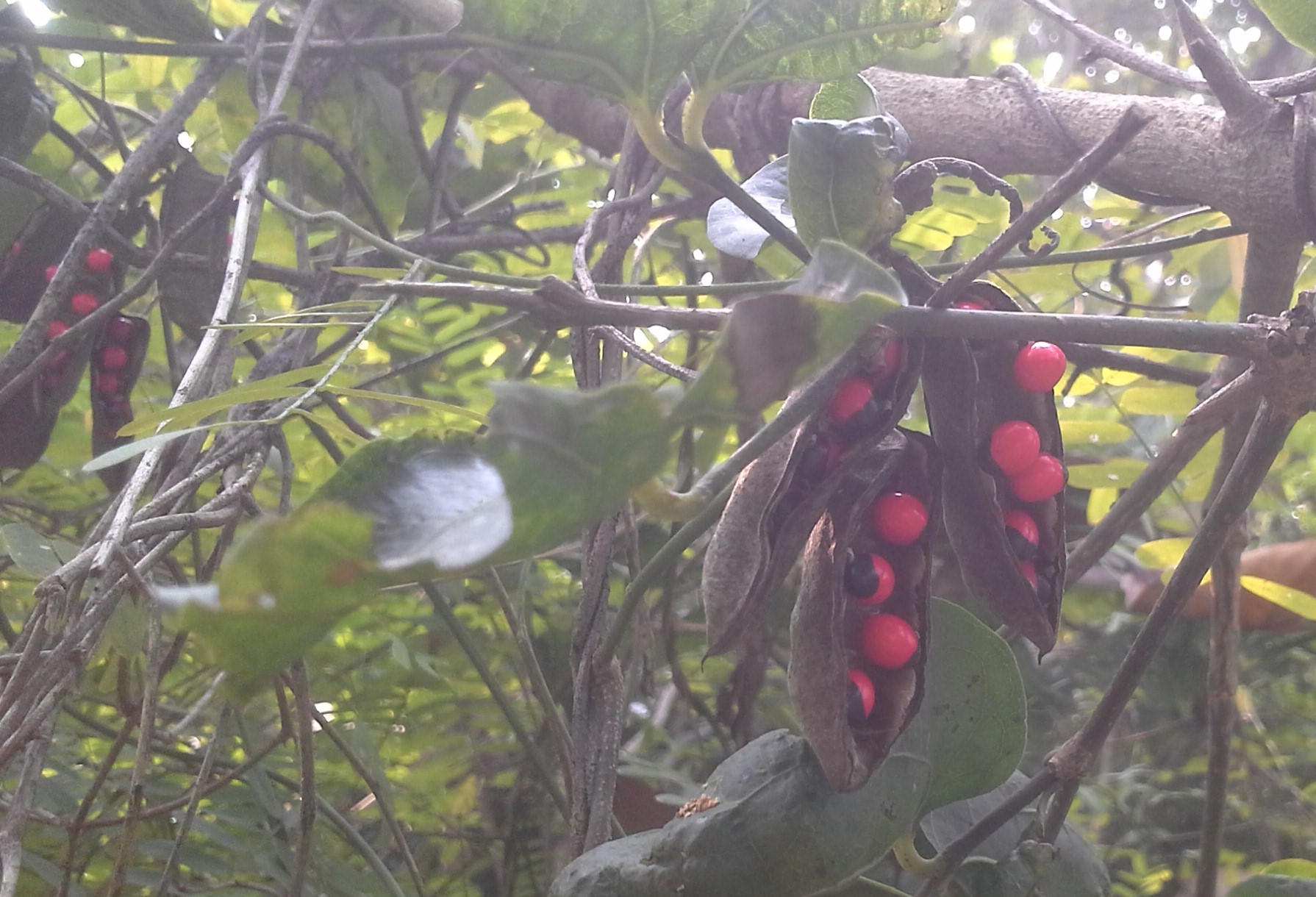
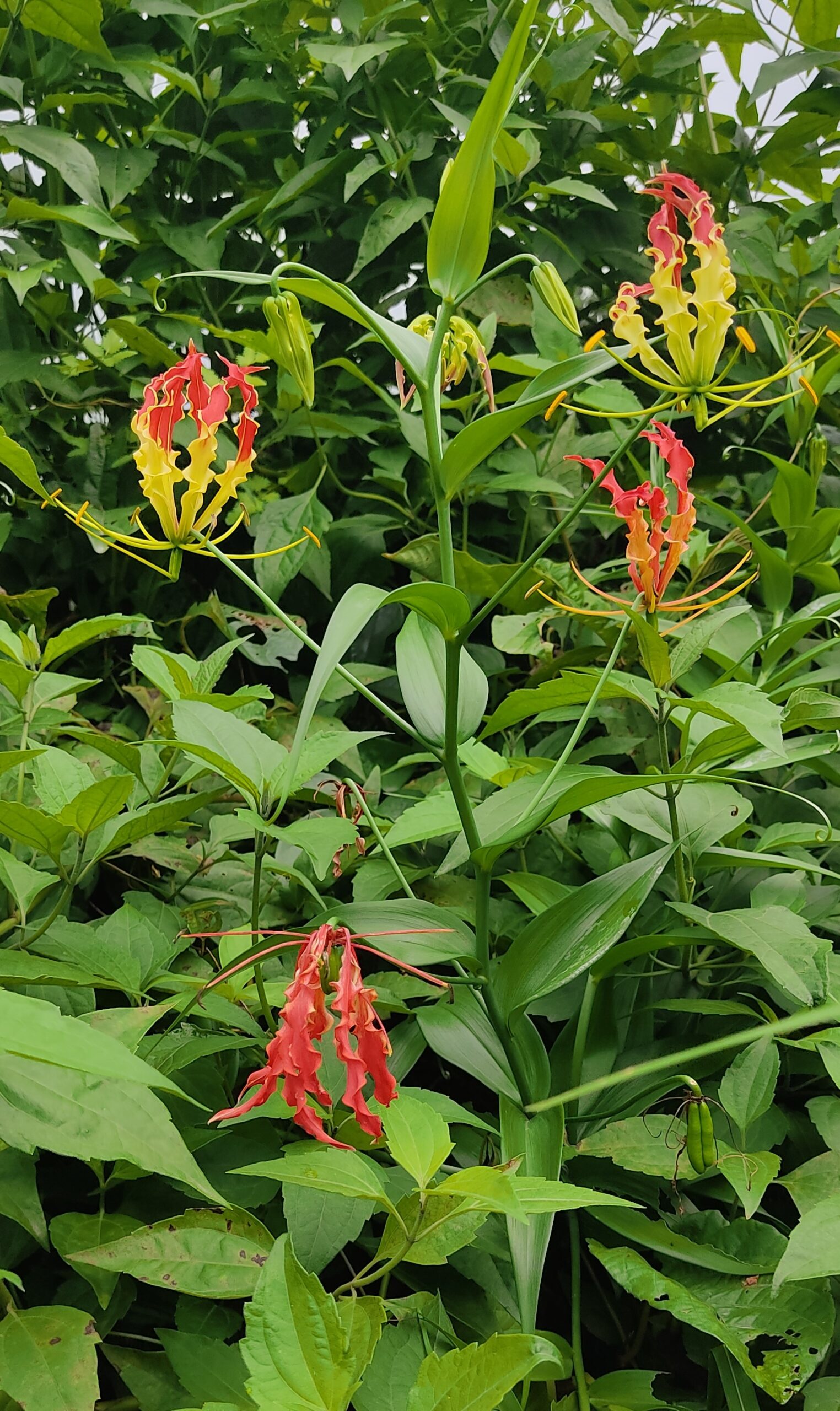
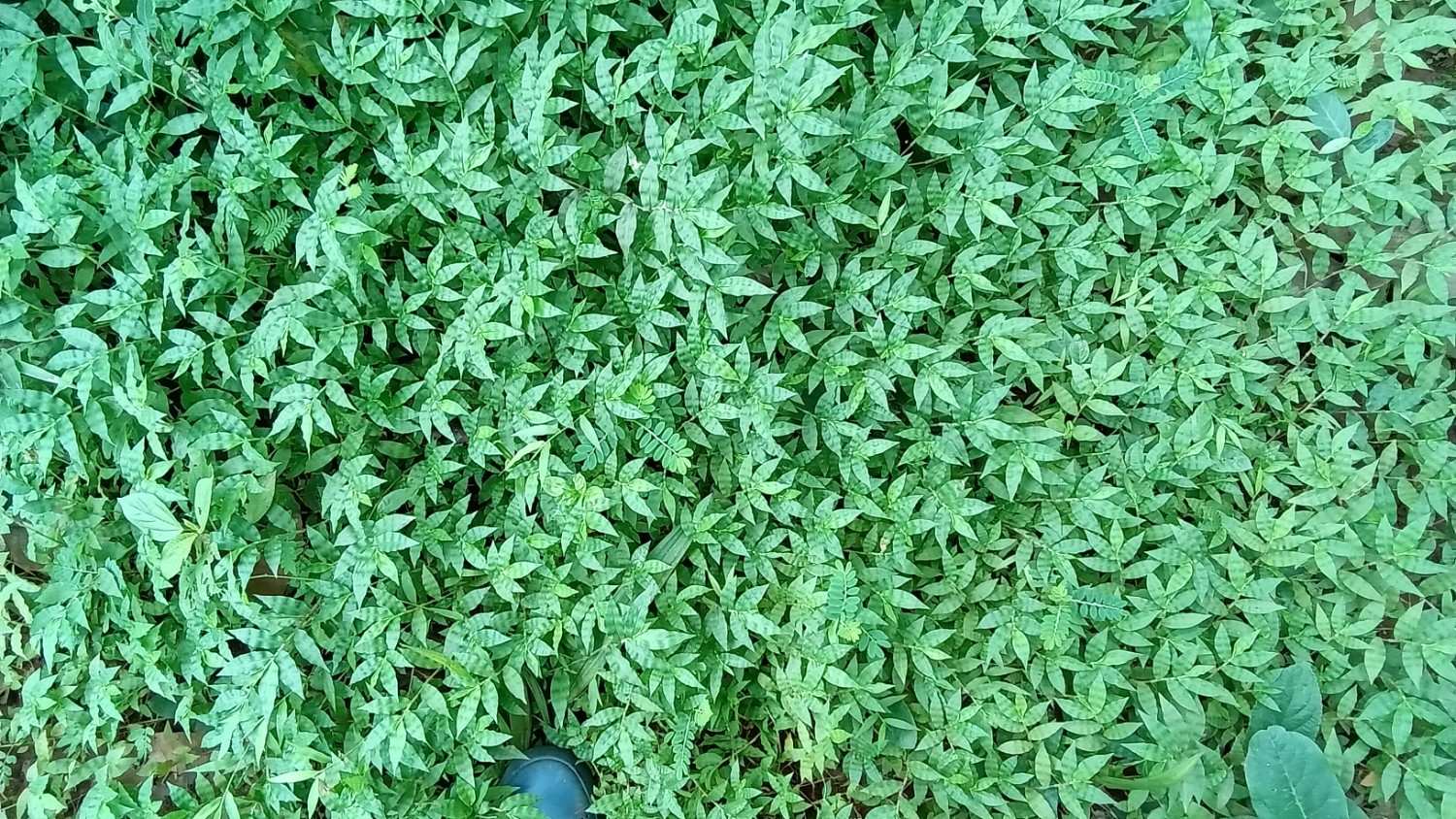
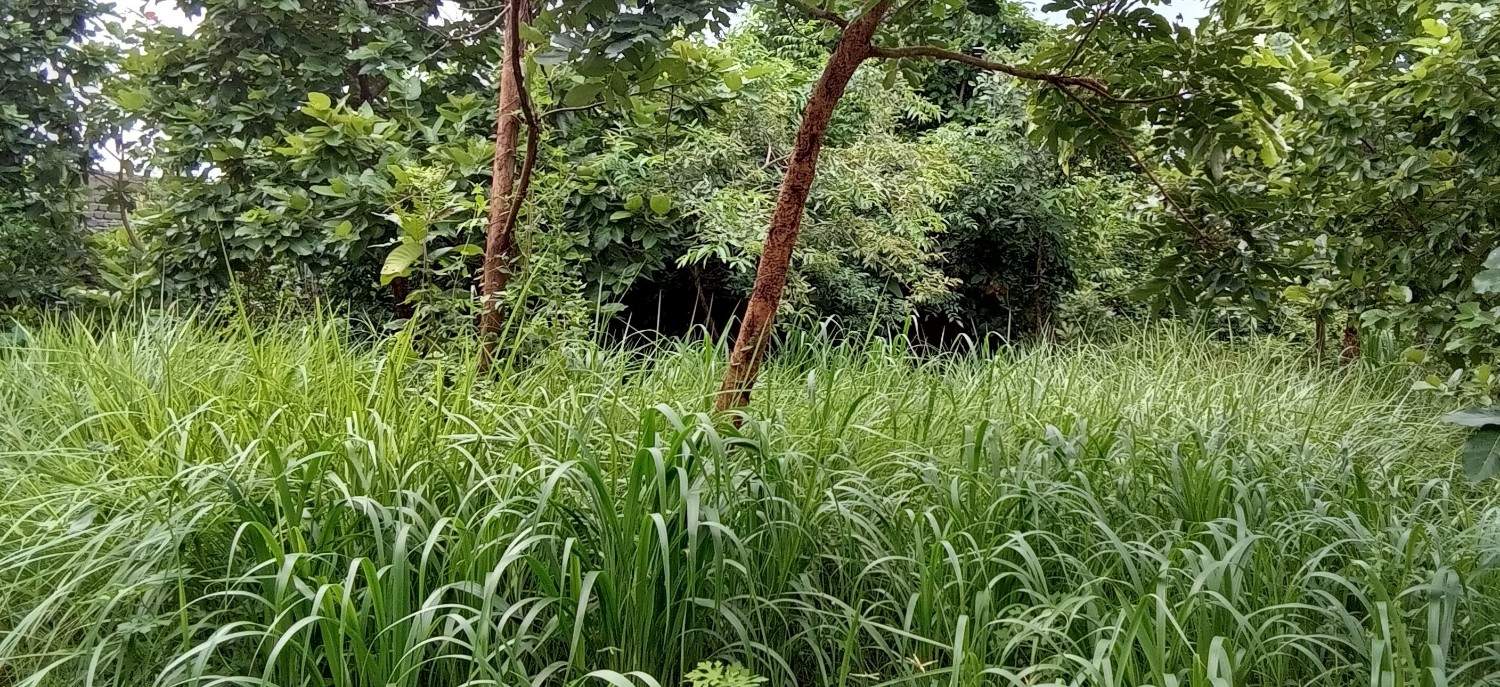
Several indigenous species of flora from the local region of the Kapilash hill area have generously spread their roots under our feet and we are still fascinated with the new types we discover amidst the thickets of trunks, branches, leaves and creepers. Some of the popular local trees that had been ruthlessly chopped down regularly before we adopted the land are now happily growing and spreading their branches displaying their beautiful and unique blossoms at different times of the year.
We are yet to identify all the members of the plant family sharing the space with us and understand their role in the ecosystem including those with medicinal values known to humans. Medicinal plants play a major role in the life of rural and tribal areas. It is amazing to watch the local people deftly pluck out leaves of specific plants to treat wounds, cuts and snake bites while going about their daily work.
An extensive list of Medicinal Plants found in Dhenkanal district can be accessed at:
https://www.researchgate.net/publication/353769058_Common_medicinal_plants_of_Dhenkanal _Odisha_India
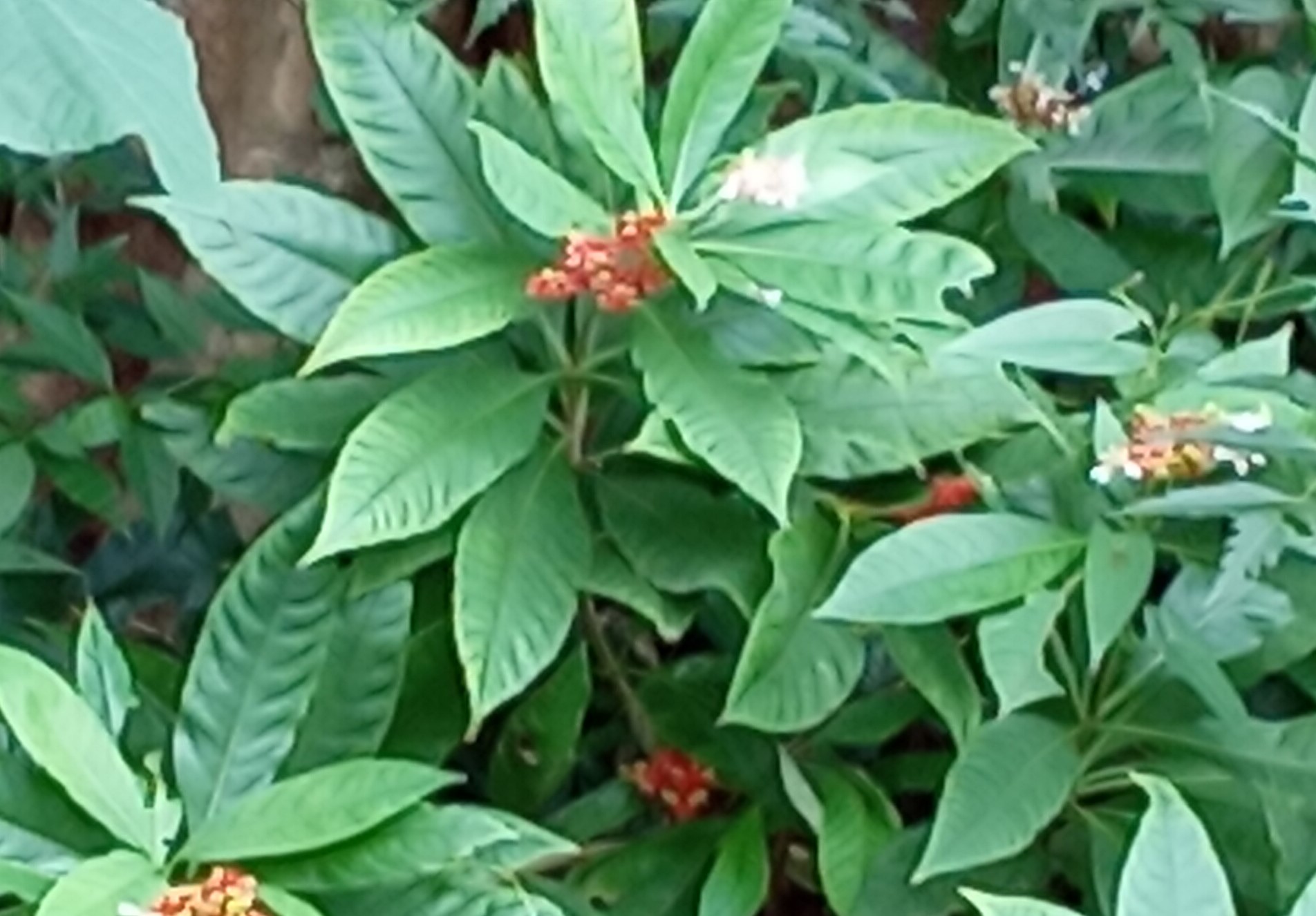
Below is a partial list of identified plant varieties one can make friends with at Teerthome:
A: Aambda, Ada (Ginger), Amba (Mango), Anla (Amla), Seu (Apple), Arjuna, Asana, Asoka, Aata (Custard Apple), Atendi, Aswasta (Peepal)
B: Bahada, Bana Alu, Bara (Banyan), Baula, Bela (Bael, Wood Apple), Bhalia, BhuinNimba
C: Canna, Chara, Chakunda, Champa
D: Dhanantari (Lemon Grass)
G: Gada, Ghikuanri (Aloe Vera), Ghasa/Grass (Dhanantari, Kusa, etc.)
H: Haladi (Turmeric), Haragora, Harida
J: Jamun
K: Kaalicha, Kadali (Banana, Plantain), Kadamba, Kaincha, Kaintha (Stone Apple), Kaju (Cashew Nut), Kamala (Orange), Kandhia (Sweet Lime), Kanchana, Kantei Koli, Karada, Karamanga, Karanja, Kendu, Khakara, Khira Koli, Khukundia, Kochila, Krusnachuda, Kumbhi, Kudei (Kurai)
L: Lajakuli. Lembu (Lemon, Lime), Litchu (Litchi)
M: Madhu Malati, Mahula, Mandara (Hibiscus), Muturi Nai
N: Nalbeli, Narguni, Nimba (Neem)
O: Oou (Elephant Apple)
P: Panasa (Jack Fruit), Patala Garuda, Piasala, Pijuli (Guava)
R: Radhachuda, Rakta Pichuli
S: Sala (Sal), Saguaan (Teak), Sapeta (Sapota), Sidda, Sinduri, Sunari
T: Tentuli (Imli, Tamarind)
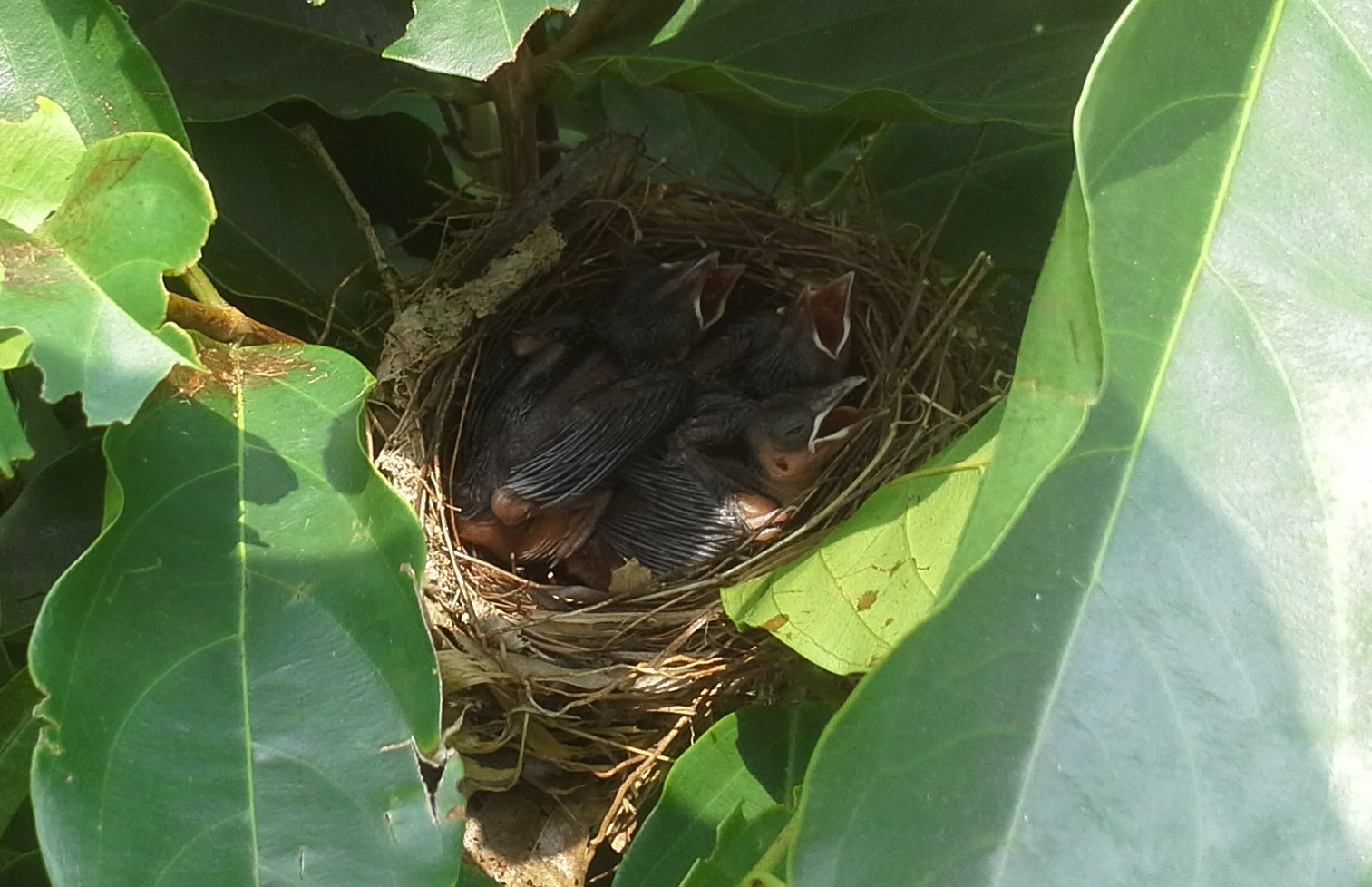
Wild boars have prevented us from planting any root vegetables or tubers since they go digging through the soil to enjoy their favorite roots of the forest with no concern whatsoever for the other plants they uproot along the way. And of course, the squirrels and mice do not allow grain or vegetable crops to survive for us to harvest. It is the birds that add an extra layer of excitement for us when we see them fluttering and flying around chirping loudly to each other. The unique and deftly constructed nests made amongst the branches to lay eggs and nurture their young one before they fly away to make their own lives are a treat to watch and wonder.
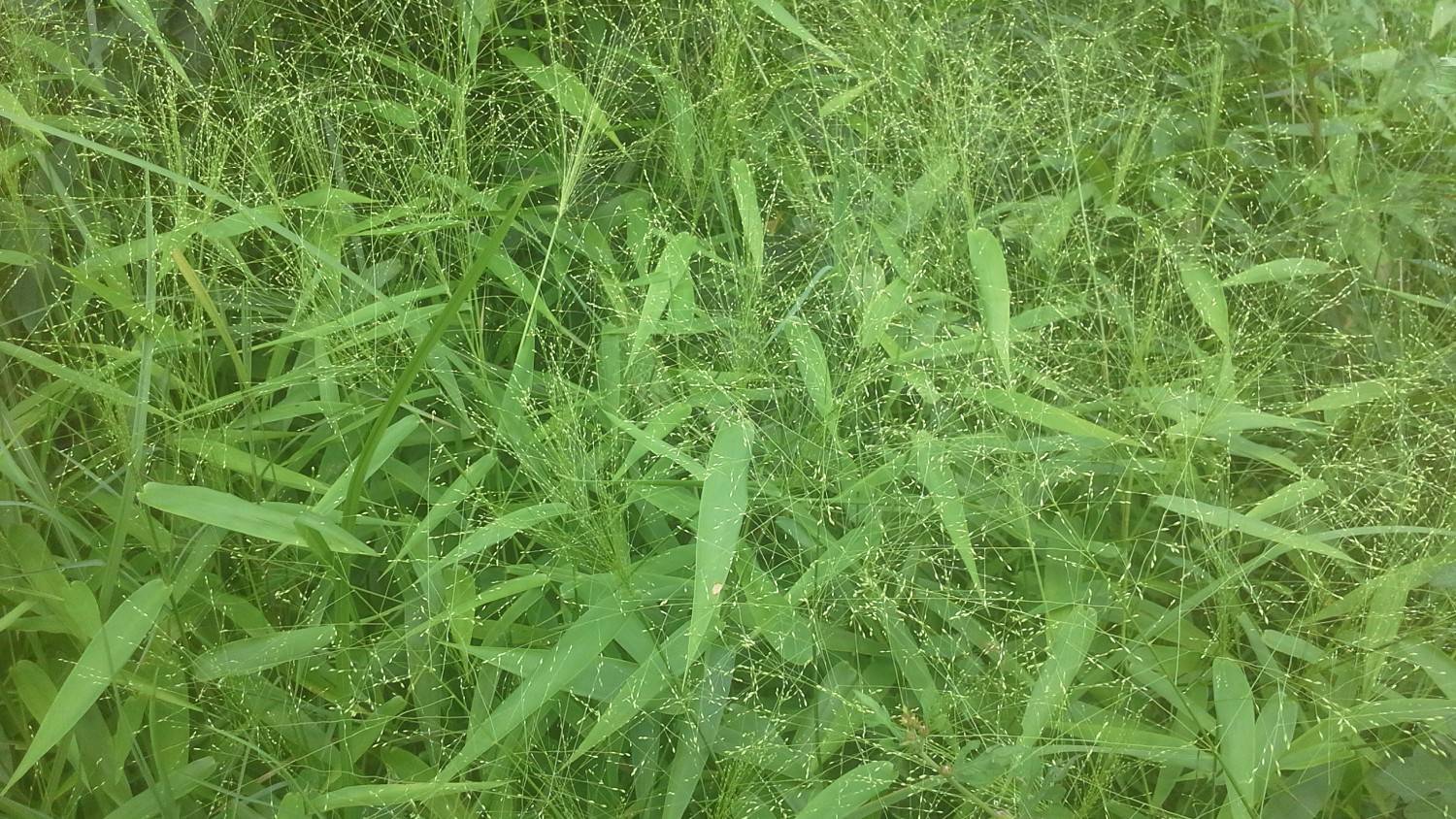
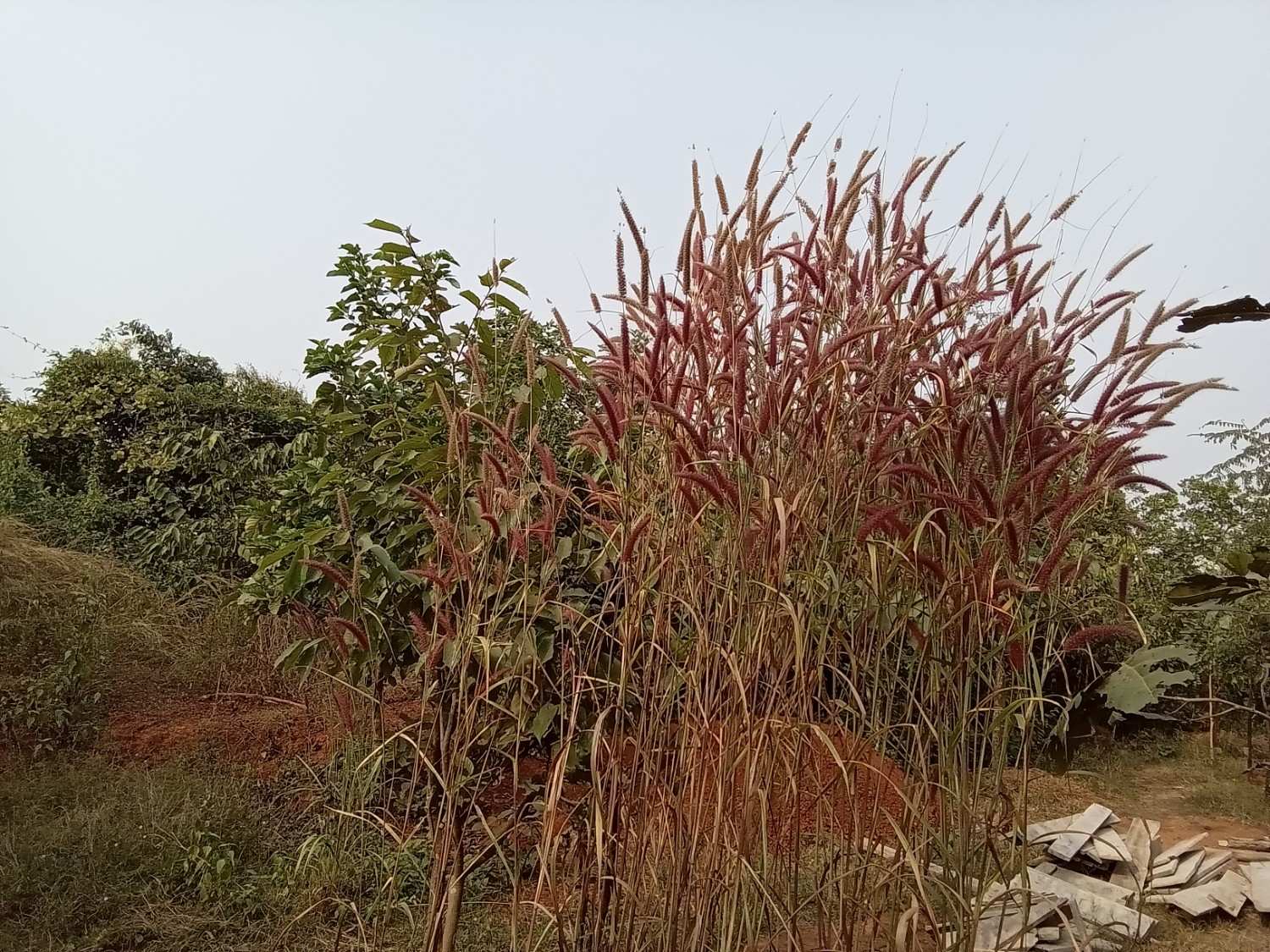
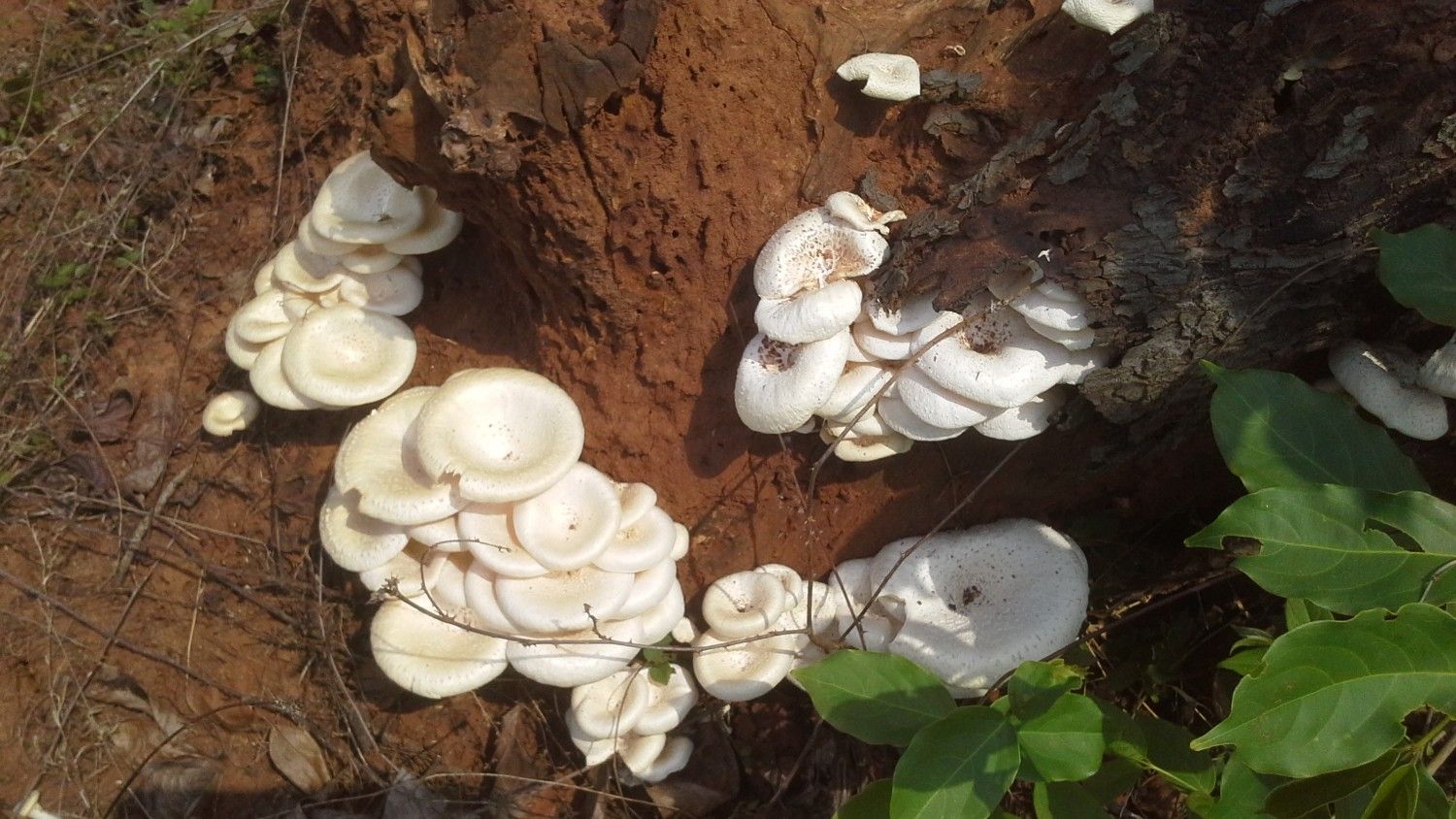
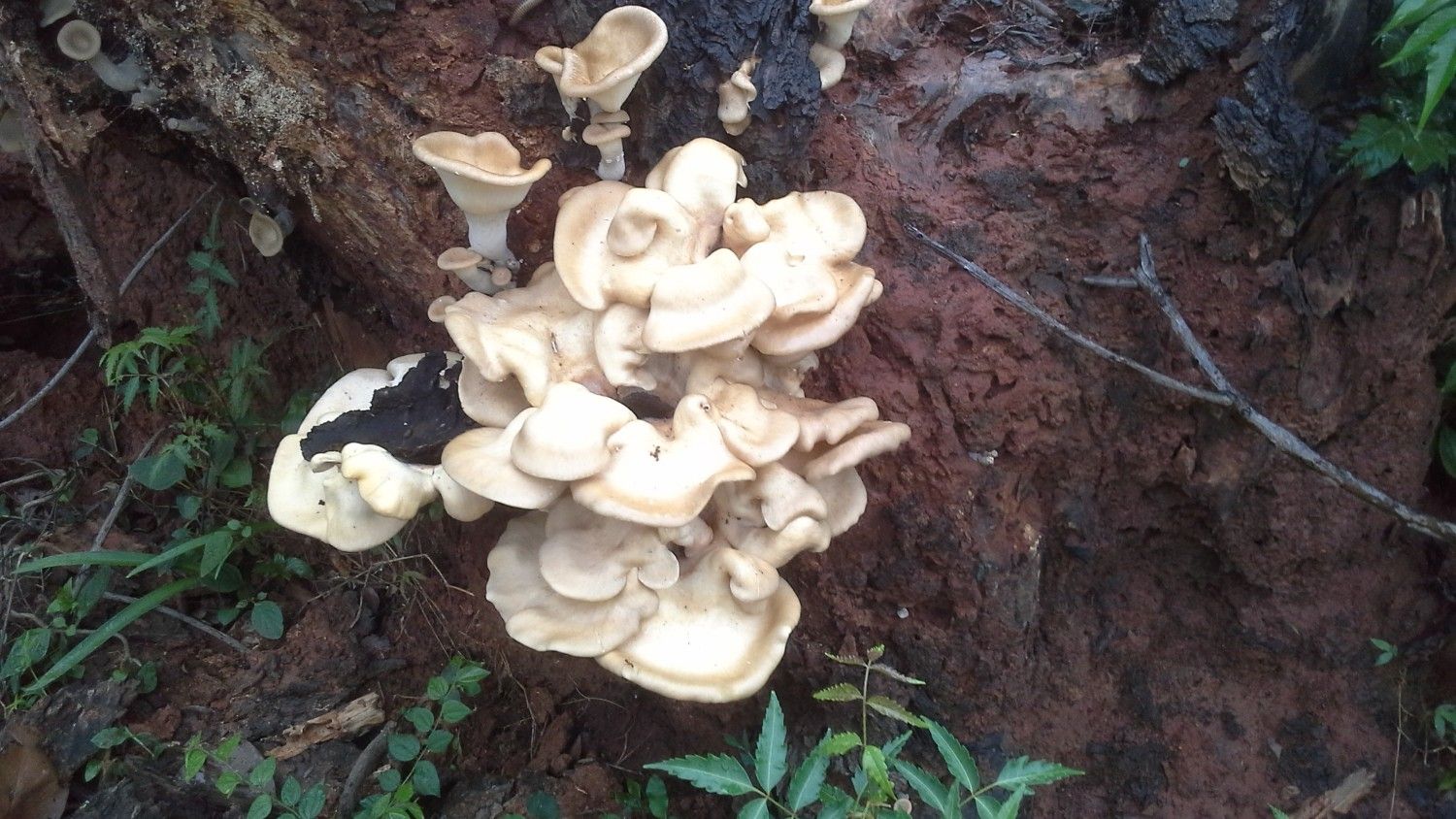
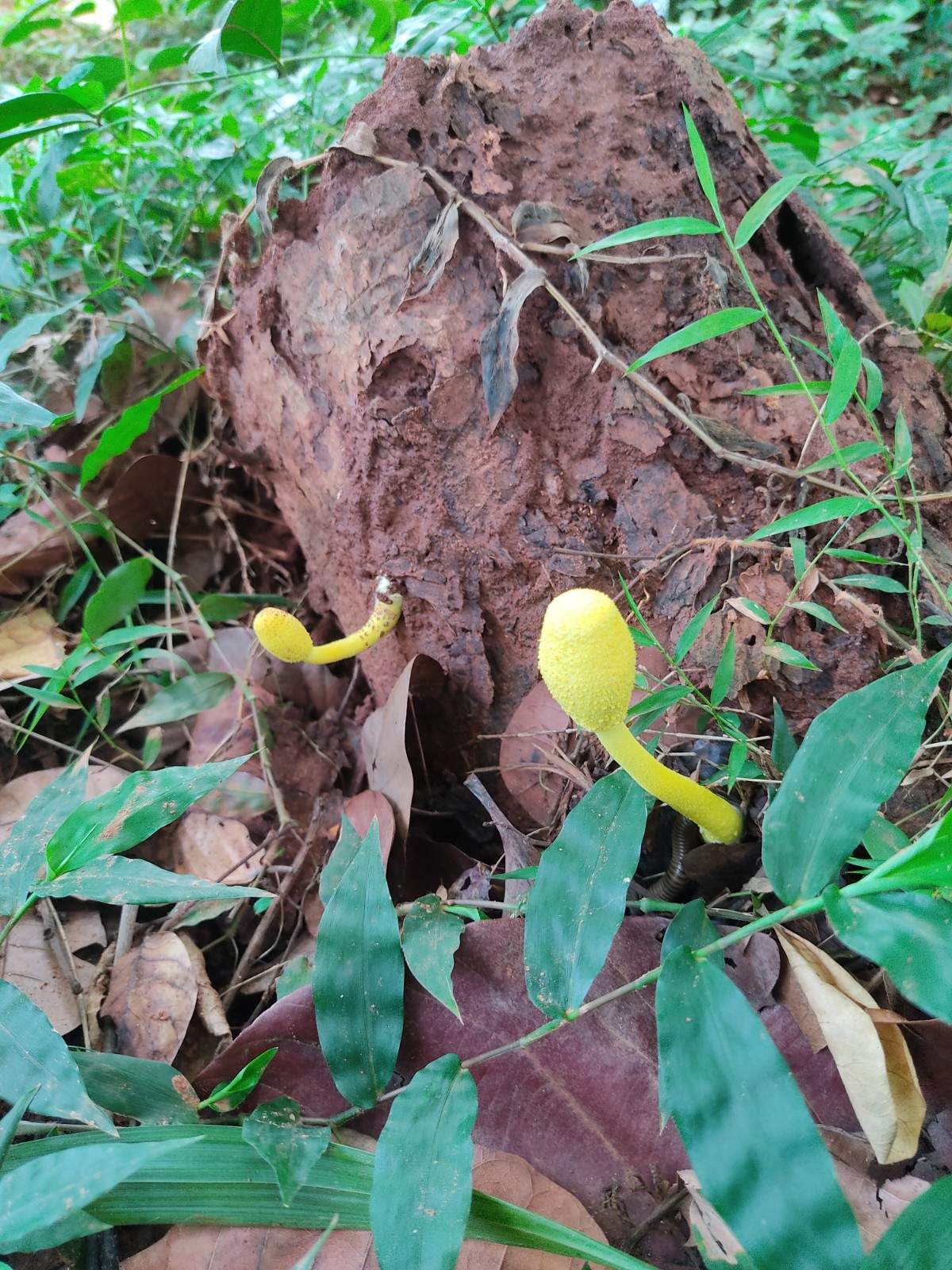
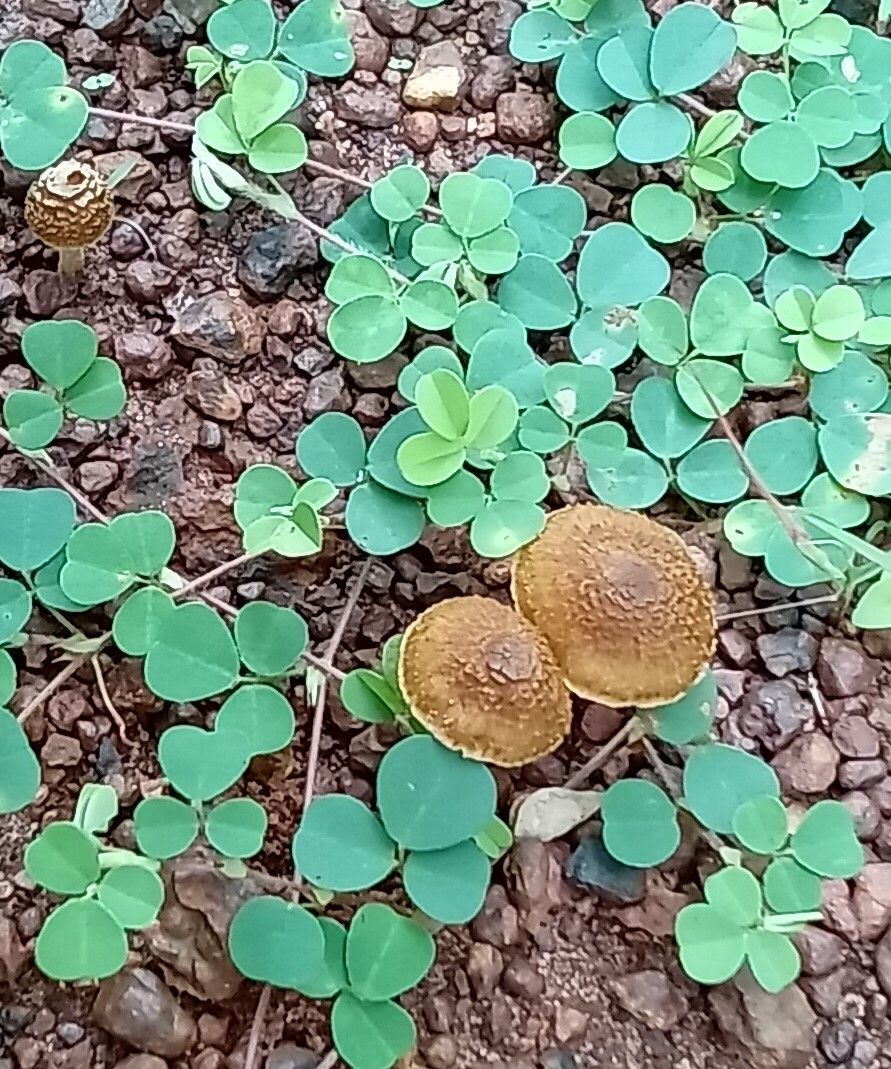
While grass varieties are classified as flora by the human scientific community, they are a diverse and ubiquitous group of flowering plants operating in a world of their own. Fungi though have been given a separate classification and include all types of yeasts, molds, mushrooms and other organisms of the fungus category. Teerthome can boast of numerous grasses and kinds of fungi. From providing fodder to mulch, some of these reeds are also used by us to weave baskets and mats. Their spread across the ground is a calming presence especially during monsoon after which some of them grow stalks of elegant flowers waving in the breeze.
Mushrooms sprout in the most unexpected places, sometimes on the ground, but often on wood stumps and tree trunks. Some types also grow on accumulated straw or are hidden amongst the grass. We have not yet ventured into consuming any of them yet until we can study them enough to distinguish the edible ones from the poisonous varieties.